
Joint pain is pain, stiffness or swelling in the places where two bones meet: knees, shoulders, hips, fingers, the lower back. Most everyday cases come from wear on the cartilage, from muscles that stay tense around the joint, or from the strain of work that repeats the same movement for years.
Rest, gentle movement, warmth and topical massage help many people manage the discomfort at home. Pain that keeps you awake, a joint that is hot and swollen, or pain after a fall needs a doctor, not a home remedy.
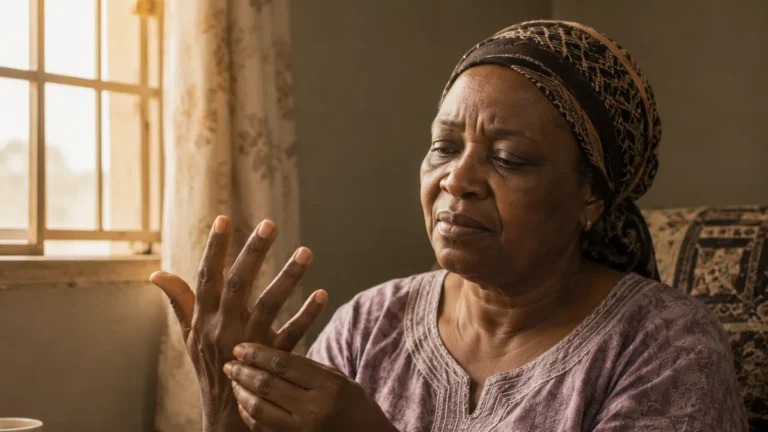
Ask anyone past forty how their body is doing and you get some version of the same answer. The knees complain going down stairs. The waist locks up after a long day. The fingers take a while to open in the morning. It is common enough that people stop mentioning it, which is a shame, because a lot of it responds well to small changes.
This guide covers what actually causes joint pain, what you can do about it at home, and the signs that mean you should stop self-treating and see someone.
What a joint is doing when it hurts
A joint is where two bones meet. Between them sits cartilage, a smooth layer that lets the bones glide instead of grinding. Around them there is fluid for lubrication, plus ligaments and muscles holding everything in place.
Pain shows up when one of those parts is under strain. The cartilage thins with age or use. The fluid changes. The muscles around the joint tighten and pull it out of its comfortable range. Often it is more than one at once, which is why the same knee can feel fine on Monday and terrible on Thursday.
The usual causes
| Cause | What it feels like | Who tends to get it |
|---|---|---|
| Cartilage wear | Deep ache, worse after activity, better with rest | Adults past 45, and earlier in people who carry heavy loads |
| Muscle tension around the joint | Tightness, limited movement, sore to press | Anyone who sits or stands in one position all day |
| Repetitive strain | Pain tied to one specific movement | Traders, drivers, tailors, farmers, market workers |
| Old injury | Pain that returns in the same spot years later | Anyone with a past sprain or fracture |
| Inflammatory conditions | Swelling, warmth, several joints at once, morning stiffness over an hour | Needs medical diagnosis |
That last row is the one people miss. If several joints hurt at the same time and the stiffness in the morning lasts more than an hour, that pattern is different from ordinary wear and deserves a proper diagnosis.

Why the pain moves with the weather and the work
Two things change how joints feel from week to week.
The first is humidity and cold. During the rainy season plenty of people notice their knees and lower back stiffen up. The joint has not changed overnight. What changes is how the surrounding tissue behaves in damp, cooler air, and how much less you move when it rains for three days.
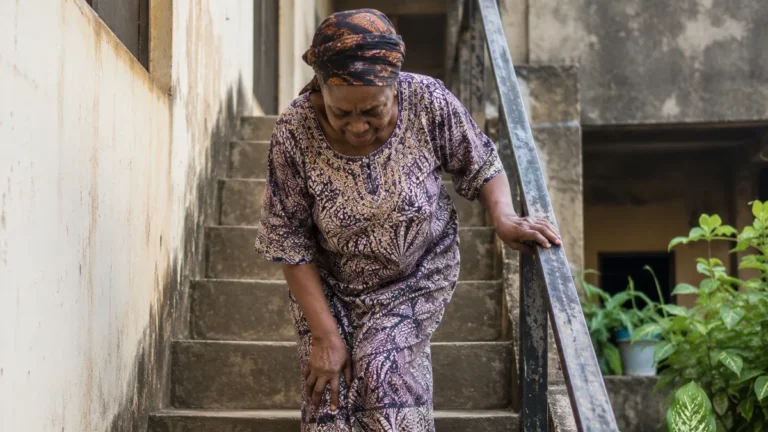
The second is load. Carrying a full bucket, sitting on an okada over rough road, standing behind a stall from morning to evening, bending over a machine: the joint takes the same stress in the same direction, over and over. The pain arrives in the evening, and by then it is easy to forget what caused it.
What helps at home
None of this replaces treatment for a diagnosed condition. For everyday stiffness and soreness, though, these are the things that tend to make a real difference.
- Move, but move gently. Complete rest makes a stiff joint worse. Slow walking, easy stretching and rolling the joint through its range for a few minutes twice a day usually beats lying still.
- Use warmth on stiffness, cool on swelling. A warm cloth loosens a tight, achy joint. If the joint is swollen and hot, cool it instead and get it looked at.
- Massage the muscle around the joint, not just the joint. Much of what people call knee pain is the thigh and calf muscle pulling on it. Working the surrounding muscle often loosens the whole area.
- Break up long positions. If you sit or stand for hours, stand up or shift every forty minutes. Two minutes of movement prevents the stiffness that takes an hour to undo.
- Take weight off where you can. Carrying loads on one side loads that hip and knee more. Splitting the weight between both hands changes what your joints absorb.
The joint is hot, red and swollen. You have fever along with the pain. The pain started after a fall or accident. The joint locks, gives way, or you cannot put weight on it. Morning stiffness lasts more than an hour. The pain wakes you at night, or keeps getting worse over weeks.
These patterns point to something that needs diagnosis. No cream, oil or balm is the right answer for them.
Where topical products fit
Creams, gels and balms are massage products. You apply them to the skin over the sore area and rub them in. What most people notice is the sensation, warm or cool depending on the formula, plus the effect of the massage itself.
They are useful for everyday stiffness and muscle soreness around a joint. They are not treatment for arthritis or any diagnosed disease, and they do not replace anything a doctor has prescribed. If a product promises to cure a condition, that promise is the reason to be careful with it.
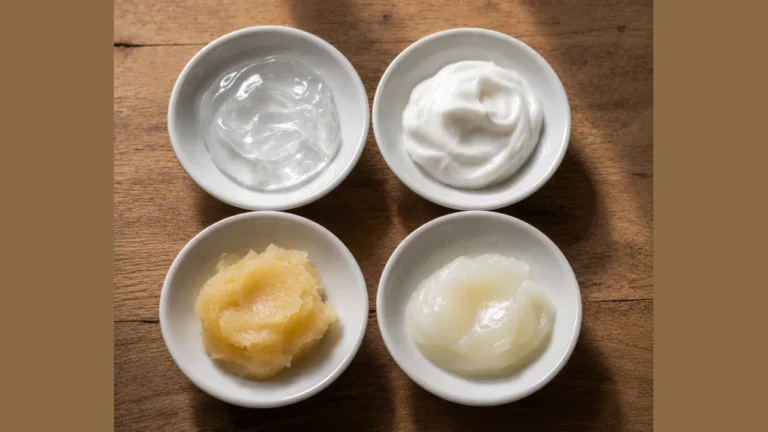
If you are deciding between formats, the difference between a cream, a gel, a balm and an ointment is mostly about texture and how fast it absorbs. We wrote about that separately, because the choice matters more than people expect.
Common questions
Why do my joints hurt more in the morning?
Joints stiffen when they stay still for hours. Most people loosen up within twenty or thirty minutes of getting moving. Stiffness that lasts more than an hour every morning is a different pattern and should be checked.
Is cracking in the knee a bad sign?
On its own, usually not. Painless clicking is common and mostly harmless. Cracking that comes with pain, swelling or a feeling that the knee might give way is worth showing to a doctor.
Can young people get joint pain?
Yes. In younger adults it usually traces back to sport, an old injury, or work that repeats one movement. The cause is different from age-related wear, but the pain is real.
Does joint pain mean arthritis?
Not necessarily. Plenty of joint pain comes from muscle tension, strain or an old injury. Arthritis is a medical diagnosis, and only a doctor can make it.
Should I stop exercising if my joints hurt?
Usually the opposite. Gentle, regular movement tends to help. What you want to avoid is the specific movement that sharpens the pain, and any activity that leaves the joint swollen afterwards.
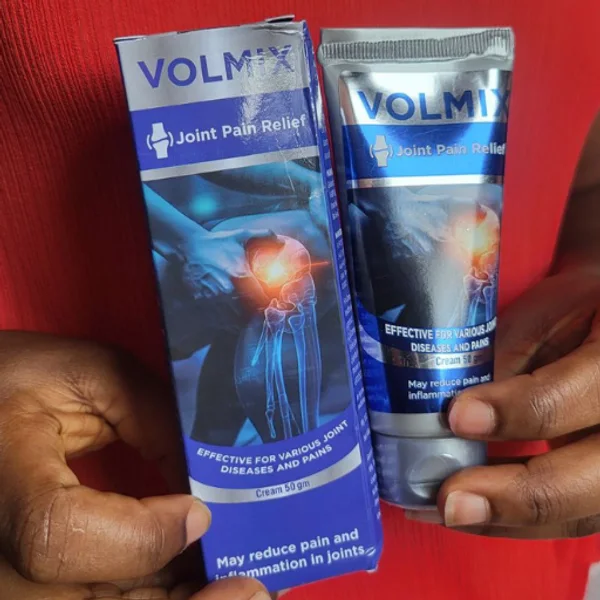
Volmix Cream
A plant-based massage cream for joints and muscles, applied to the skin and massaged in. The 50 g tube contains gandhpura, eranda, nirgundi, shallaki, haldi and laung oil. It is a topical product for comfort, not a medicine, and it does not treat or cure any condition.
₦98,000 ₦49,000 · pay on delivery
See the product page
Delivery is free from 3 units. You check the parcel before paying the courier.
Read next

This article is general information, not medical advice. It does not diagnose or treat any condition. Speak to a doctor or pharmacist about persistent or worsening pain, and before starting anything new if you are pregnant, breastfeeding or under treatment.