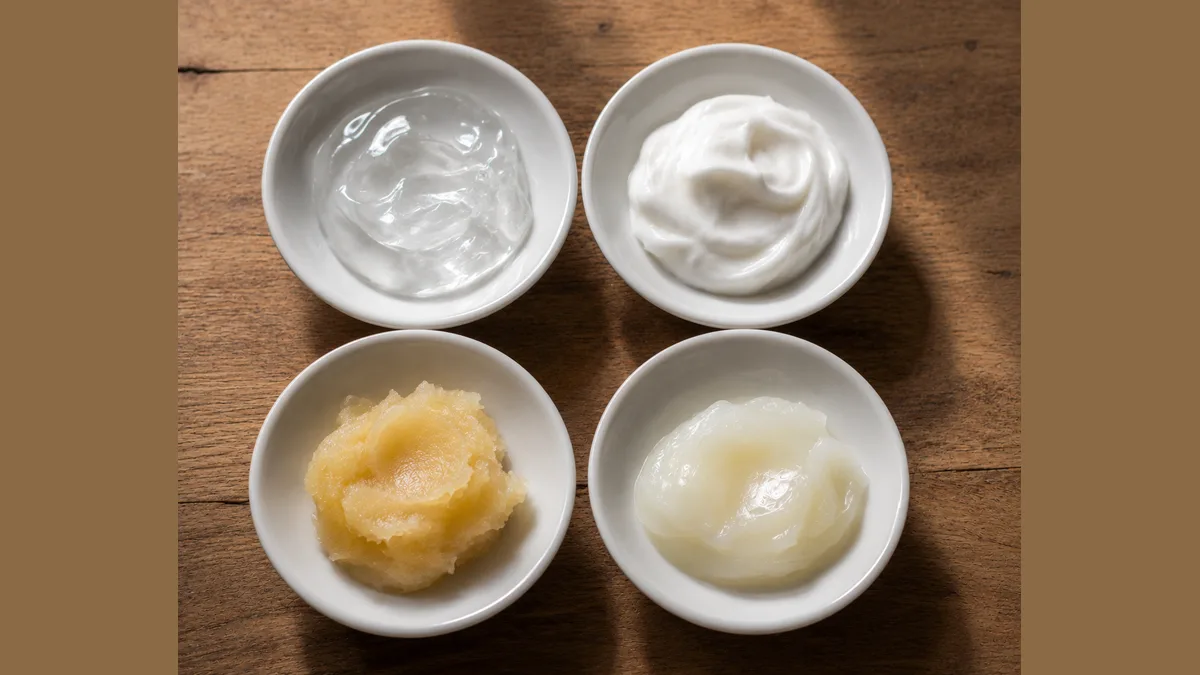
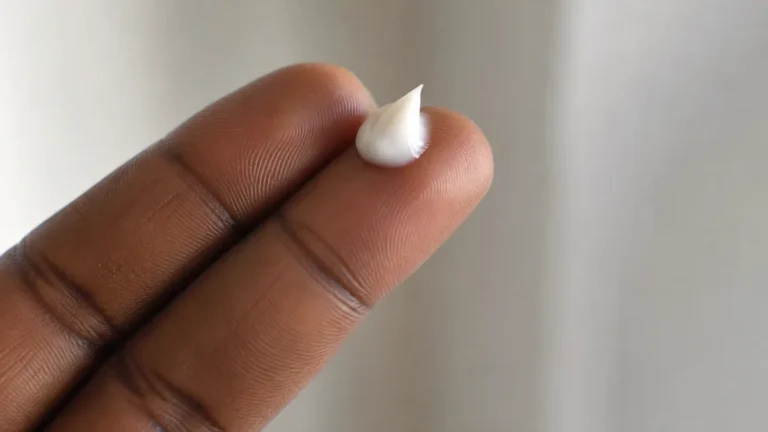
The difference is mostly water and oil. A gel is water-based, absorbs fast and feels cool. A cream sits between water and oil, absorbs reasonably and suits massage. A balm is mostly wax and oil, stays on the surface and works for long rubbing. An ointment is the greasiest, holds longest, and is the messiest.
For massaging a joint, a cream or balm gives you the working time you need. For quick cooling relief on a sore muscle, a gel is easier.
In the pharmacy they all sit on the same shelf, all promising relief, in four different textures at four different prices. The labels rarely explain what actually separates them, and the choice is not just preference. It changes how you apply it and how long you can work an area.
The four formats side by side
| Base | Feels | Absorbs | Best for | |
|---|---|---|---|---|
| Gel | Mostly water | Cool, light | Fast | Quick relief, hot weather, no greasy residue |
| Cream | Water and oil | Neutral, smooth | Moderate | Massage, daily use, most joints |
| Balm | Wax and oil | Thick, often warming | Slow | Long massage sessions, cold weather |
| Ointment | Mostly oil or petroleum | Greasy, heavy | Very slow | Staying put for hours, dry skin |
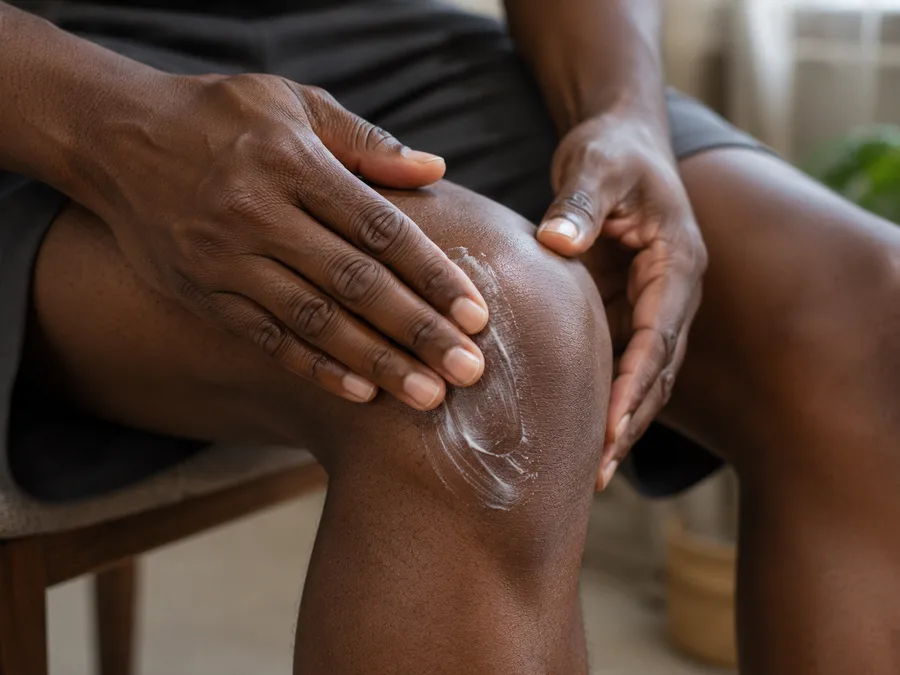
Why absorption speed matters for massage
This is the part nobody explains at the counter.
If you are massaging a knee for three or four minutes, a product that absorbs in twenty seconds leaves you rubbing dry skin. You end up applying more, then more again. A gel is fine for spreading something on and letting it work, but it is a poor massage medium.
A cream or balm keeps some slip on the skin while you work. That means fewer applications and a better massage, which is often where most of the benefit comes from in the first place.
Warming or cooling?
Most of these products create a sensation rather than actually changing the temperature of the tissue. Menthol and camphor register as cool. Capsaicin and certain oils register as warm.
The general rule people use: cool for something freshly strained and inflamed, warm for something stiff and tight. In practice, choose the one that feels better on the area, because the sensation itself is much of what these products offer.
First, whether it is a cosmetic product or a registered medicine. Those are different categories with different rules, and a cosmetic massage product does not treat any disease regardless of what the marketing implies.
Second, whether the product names its ingredients and quantities. A label that lists what is inside, and how much, is telling you more than one that only makes promises.
How to choose for your situation
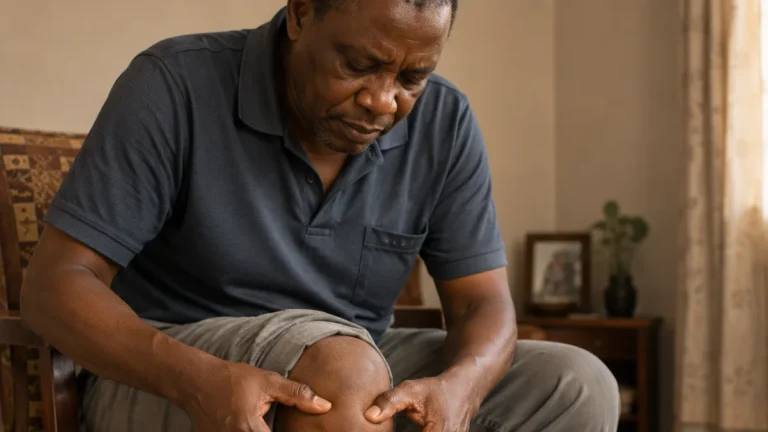
Massaging a knee or lower back regularly: cream or balm, because you need the working time.
Quick relief on a sore muscle in hot weather: gel, because it absorbs fast and does not leave residue on clothing.
Applying before bed and leaving it: balm or ointment, since they stay put longest.
Sensitive skin: cream, generally the gentlest of the four. Patch test on a small area first regardless of format.
Using it before going out: gel or cream. A balm on your hands and clothes is noticeable for hours.
Common questions
Which is better for joint pain, a gel or a cream?
For massaging a joint, a cream usually works better because it stays workable on the skin longer. A gel suits quick application and a cooling sensation without residue.
Is a balm stronger than a cream?
Not necessarily. Strength depends on what is in the formula, not on the texture. A balm stays on the skin longer, which is different from being more concentrated.
Can I use these products every day?
Most are made for regular use at the frequency stated on the label. Do not exceed it, and stop if the skin becomes irritated.
Do they actually reach the joint?
Topical products act mainly at the skin and the tissue just beneath it. Much of the reported benefit comes from the sensation and from the massage itself rather than deep penetration.
Can I use one under a bandage or brace?
Let it absorb fully first, and check the label, since some warming products should not be covered. If in doubt, ask a pharmacist.
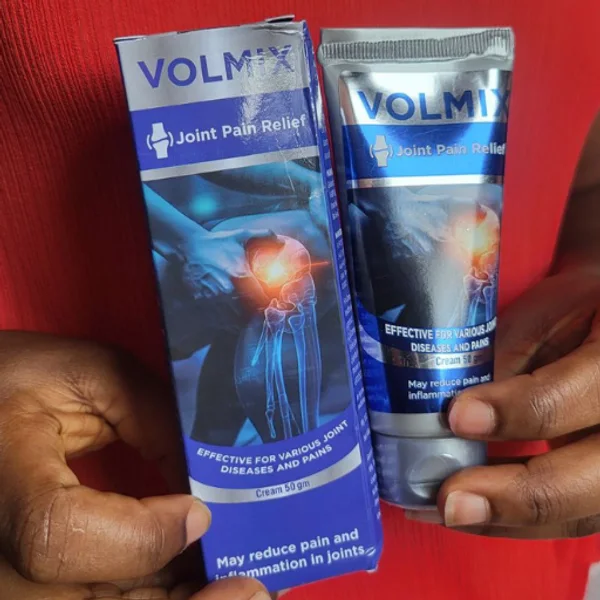
Volmix Cream
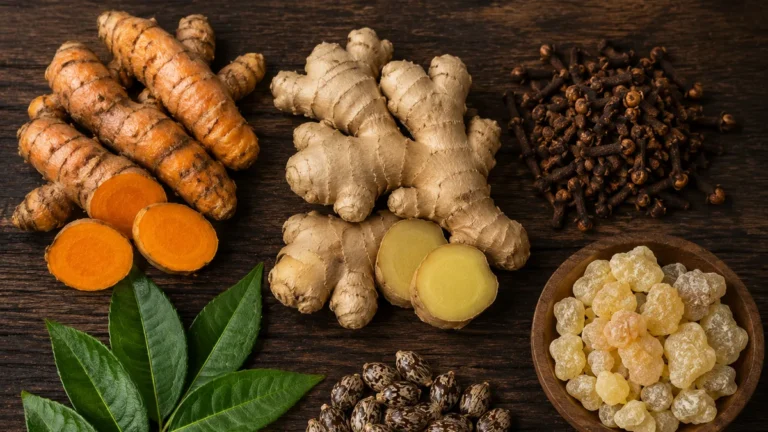
A plant-based massage cream in a 50 g tube, made for rubbing into the knees, waist, back and shoulders. The label declares gandhpura oil, eranda, nirgundi, shallaki, haldi and laung oil. It is a topical product for comfort, not a medicine, and it does not treat or cure any condition.
₦98,000 ₦49,000 · pay on delivery
See the product page
Delivery is free from 3 units. You check the parcel before paying the courier.
Read next

This article is general information, not medical advice. It does not diagnose or treat any condition. Speak to a doctor or pharmacist about persistent or worsening pain, and before starting anything new if you are pregnant, breastfeeding or under treatment.