
Waist pain usually comes from the muscles of the lower back, not from the bones or the kidneys. Long hours sitting or standing, lifting badly, bending all day and sleeping on a sagging mattress are the everyday causes.
Most cases ease within a week or two with movement, warmth and massage. Pain that spreads down the leg, comes with fever or burning urine, or follows a fall needs a doctor.
Waist pain is the complaint you hear everywhere. Behind a stall at the end of market day. In the back seat after a long trip on bad road. From anyone who spends the day bent over a machine, a farm or a baby.
It is also the one people worry about most, because of the fear that it means kidney trouble. Usually it does not. Below is what actually causes it, how to tell the difference, and what helps.
Where waist pain actually comes from
What most people call the waist is the lower back: the run of muscle on both sides of the spine, just above the hips. That muscle group holds you upright all day. When it stays contracted for hours, it stops releasing properly, and that is the ache you feel.
The pain is often worse in the evening than in the morning, and worse on the day after heavy work rather than during it. That delay is why the cause is so easy to miss.
The everyday causes
| Situation | What happens to the muscle | When you feel it |
|---|---|---|
| Sitting for hours | Hips tighten, lower back takes the load | Standing up after long sitting |
| Standing all day | Muscle never gets to release | Evening, and the next morning |
| Lifting with the back | Strain instead of the legs taking the weight | Immediately, or hours later |
| Bending repeatedly | Same muscles loaded in the same direction | End of the day |
| Long trips on rough road | Constant small jolts to a seated spine | On arrival |
| Old, sagging mattress | Spine unsupported for eight hours | Worst on waking |
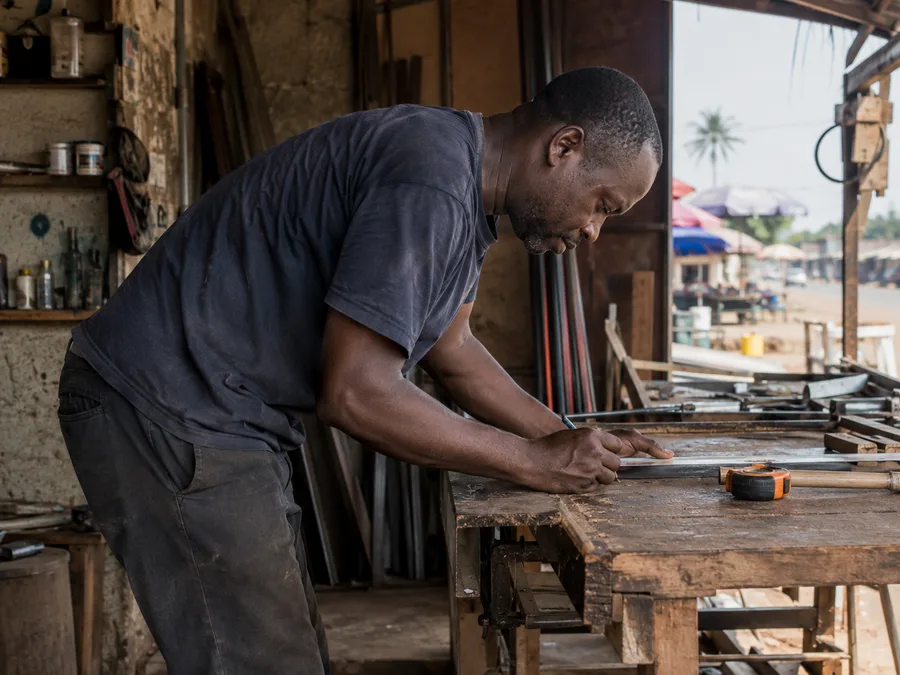
Waist pain or kidney pain?
This is the question worth answering carefully, because the two feel different once you know what to compare.
| Muscle or back pain | Possible kidney problem | |
|---|---|---|
| Where | Across the lower back, often both sides | Higher and deeper, usually one side, under the ribs |
| With movement | Changes when you bend, turn or stand | Stays much the same regardless of position |
| To the touch | Sore when pressed | Pressing the skin does not reproduce it |
| Other signs | Stiffness, tight muscle | Fever, burning urine, blood in urine, nausea |
You have fever with the pain. Urination burns, or the urine is cloudy or bloody. The pain runs down one leg past the knee. There is numbness or weakness in a leg or foot. You lost control of your bladder or bowels. The pain started after a fall or an accident. The pain is severe at night and does not ease in any position.
The last three need attention quickly. No massage product is the answer for any of them.
What helps a sore waist
- Keep moving, gently. Lying in bed for days makes it worse. Short walks and easy movement usually beat rest after the first day.
- Warmth before movement. A warm cloth or warm shower on the lower back for ten minutes loosens the muscle enough to move more freely.
- Change position often. If you sit, stand up every forty minutes. If you stand, shift your weight and take a minute to sit. The muscle needs the change more than it needs comfort.
- Lift with your legs. Squat, keep the load close to your body, and stand using your thighs. Bending at the waist with straight legs puts the whole weight through the lower back.
- Massage the area. Firm circular massage on the muscle either side of the spine, a few minutes at a time. This is where a cream or balm is genuinely useful, mostly because it makes you massage properly.
- Check where you sleep. A mattress that dips in the middle undoes everything else you do. If your pain is always worst on waking, start there.
The habits that keep it coming back
Two things matter more than any product.
The first is how you carry weight. A load in one hand, a bag always on the same shoulder, a child always on the same hip: that tilts you slightly, all day, every day. Splitting the weight or switching sides changes what your back absorbs.
The second is how long you hold one position. The body handles heavy work better than it handles stillness. Someone who lifts properly for six hours often has less trouble than someone who sits badly for six hours without standing once.
Common questions
Why is my waist always paining me?
Recurring waist pain usually points to something you repeat daily: how you sit, how you lift, or where you sleep. Pain that returns for months without a clear cause should be examined by a doctor.
What can I rub on my waist for pain?
A massage cream, gel or balm applied to the muscle on either side of the spine. Rub it in for a few minutes rather than just spreading it. The massage itself does much of the work.
How do I know if my waist pain is serious?
Watch for fever, burning or bloody urine, pain running down the leg, numbness or weakness in the leg, or loss of bladder control. Any of these means see a doctor rather than treating it at home.
Should I lie down when my waist is paining me?
Rest for a day if the pain is sharp, then start moving gently. Long bed rest tends to stiffen the muscle and make recovery slower.
Is waist pain a sign of pregnancy?
Lower back and waist discomfort is common during pregnancy as posture and weight shift. It is not a way to detect pregnancy, and anyone pregnant should ask a doctor before using any topical product.
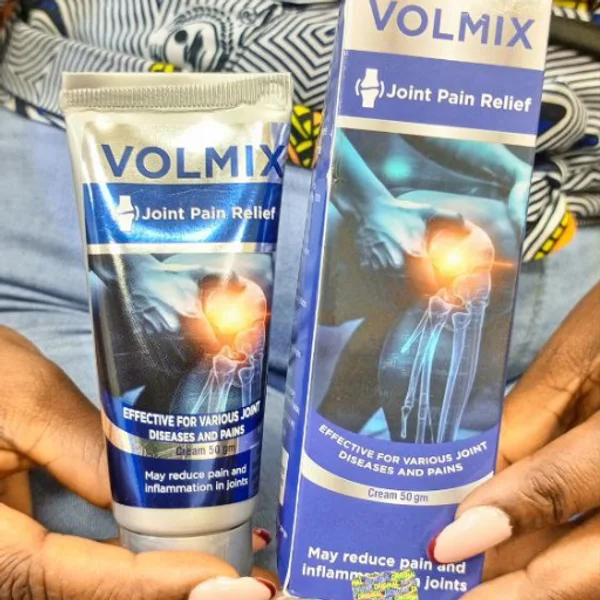
Volmix Cream
A plant-based massage cream for the lower back, waist, knees and shoulders. Apply to the skin and massage in. It is a topical product for comfort, not a medicine, and it does not treat or cure any condition.
₦98,000 ₦49,000 · pay on delivery
See the product page
Delivery is free from 3 units. You check the parcel before paying the courier.
Read next
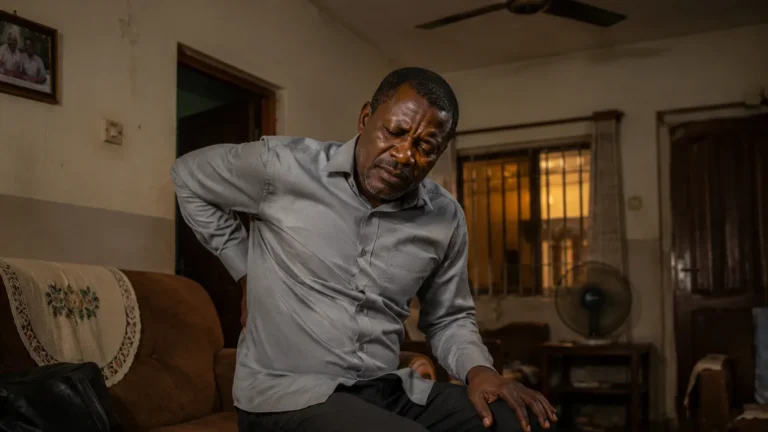

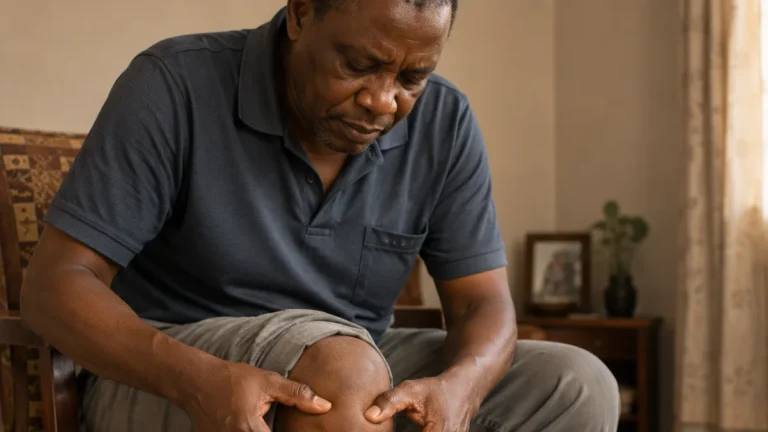

This article is general information, not medical advice. It does not diagnose or treat any condition. Speak to a doctor or pharmacist about persistent or worsening pain, and before starting anything new if you are pregnant, breastfeeding or under treatment.